The Golden Douro: Promenades of Wine, Iron, and Light
Stepping down to the grand riverbanks where wrought-iron architecture spans centuries of Port wine heritage.
If the upper alleys of Porto represent the city’s quiet heartbeat, the riverfront of Ribeira and Vila Nova de Gaia is its grand, resounding chorus. All pathways in Porto eventually lead downhill toward the Douro River, where the city opens up to a breathtaking panorama of light, iron, and water.
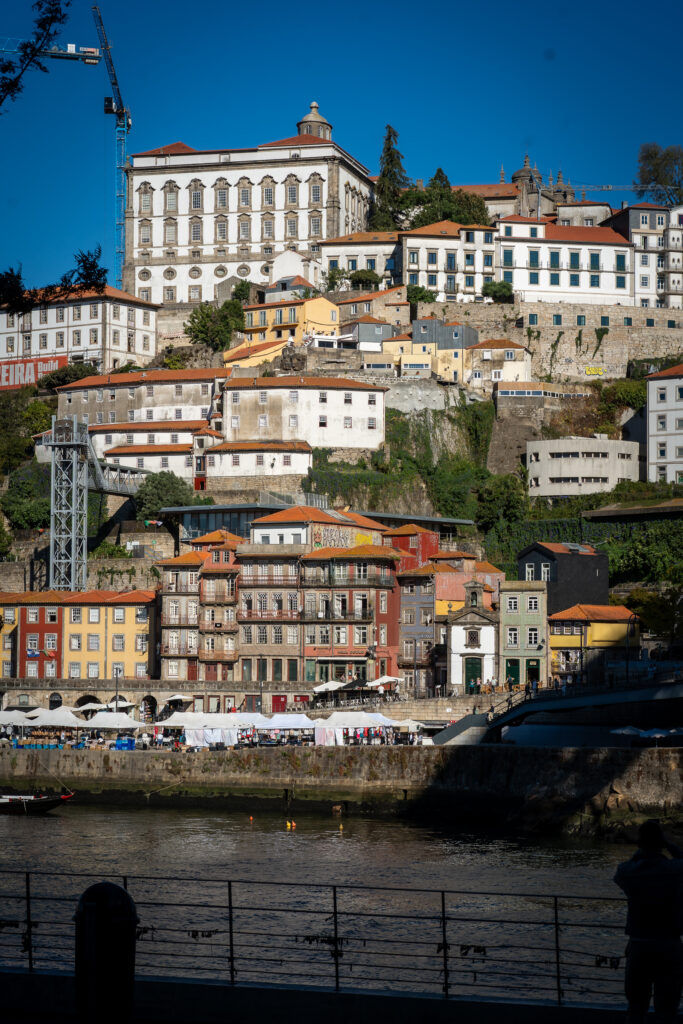
Standing on the Ribeira promenade, the sight of Porto’s riverside facade is nothing short of iconic. A vibrant cascade of pastel-painted houses—mustard yellows, terracotta reds, deep blues, and dusty roses—seems to cling heroically to the granite cliff. Red-tiled roofs catch the golden afternoon glow, while bustling cafes and seafood taverns spill out onto the stone quay under broad white umbrellas.
Wrought Iron & Architectural Majesty
Dominating the landscape is the monumental Dom Luís I Bridge, a masterpiece of 19th-century industrial engineering designed by Théophile Seyrig, a disciple of Gustave Eiffel. Its towering double-deck wrought-iron arch spans the river with elegant strength. High above on the southern cliff sits the circular Monastery of Serra do Pilar, looking down over the water like a serene guardian of the valley. Watching metro trains cross the upper deck while boats glide silently beneath the lower arch is a testament to how seamlessly historic grandeur and modern life coexist here.

“The air along the Douro is cool, the port wine is warm, and the view across the river is one you could gaze at forever.”
The Cradle of Port Wine
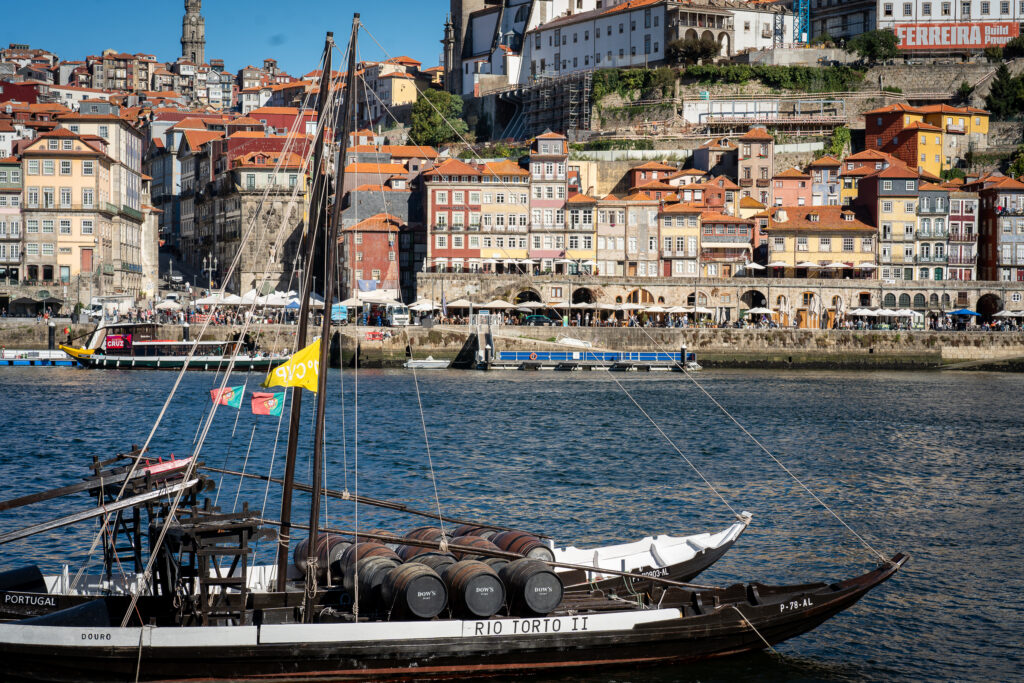
Floating gently near the water’s edge are the historic barcos rabelos—the flat-bottomed wooden cargo boats that for centuries navigated the treacherous currents of the Douro River to transport oak barrels of Port wine from the upstream vineyards down to the coast. With their tall rudders and wooden casks resting on deck, these ships stand as enduring symbols of Portugal’s rich maritime winemaking heritage.
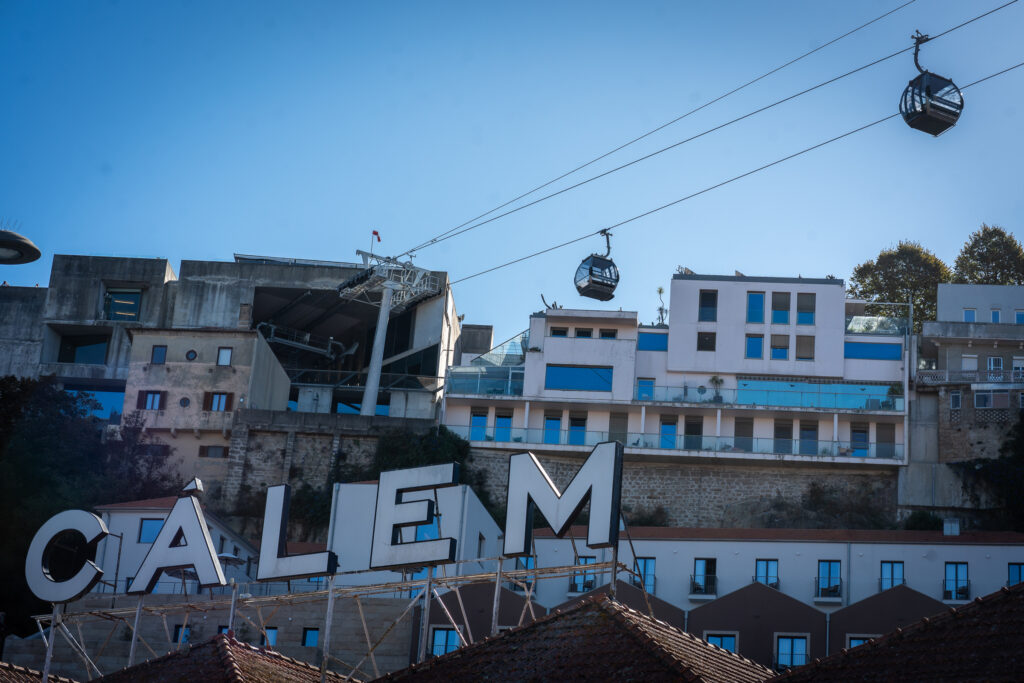
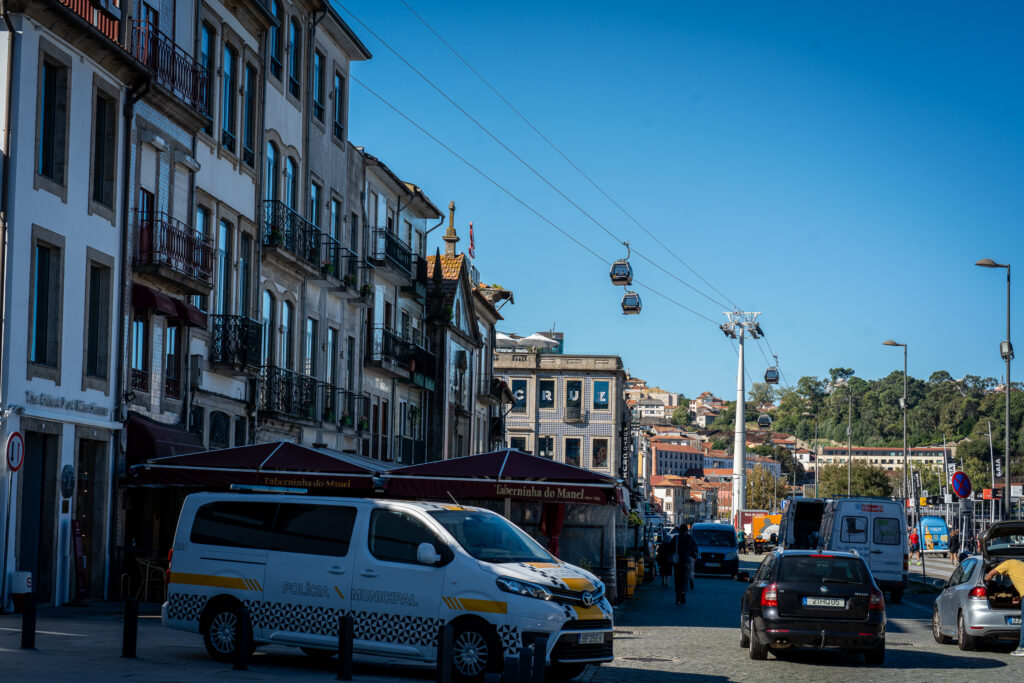
Cross the lower deck of the bridge to Vila Nova de Gaia, and you find yourself in the historical sanctuary of Port wine. Here, along the left bank, the famed port cellar lodges—names like Cálem, Sandeman, Cockburn’s, and Cruz—display their historic signs against the hillside. Above the promenade, sleek cable car cabins glide quietly through the air, offering passengers bird’s-eye views of the river traffic below.